Buying A Second Home On Anna Maria: What To Consider
March 24, 2026
March 24, 2026
Craving a place where winter mornings start with Gulf breezes and quiet walks to the beach? If you are eyeing a second home on Anna Maria Island, you are not alone. Buying on a barrier island is exciting, but it comes with rules, insurance, and seasonal rhythms you will want to understand first. This guide gives you clear steps on rental rules, flood zones, insurance, travel logistics, and a practical checklist so you can move forward with confidence. Let’s dive in.
Anna Maria Island is a 7‑mile barrier island west of Bradenton with three cities from north to south: the City of Anna Maria, Holmes Beach, and Bradenton Beach. Each municipality can have different rules that matter to owners, especially if you plan to rent. That is why confirming the exact city for any address is a smart first move.
You will find a mix of single‑family homes, small condo buildings, and many properties that are seasonal or second homes. Median values are high relative to inland areas, and waterfront or walk‑to‑beach locations often command a premium.
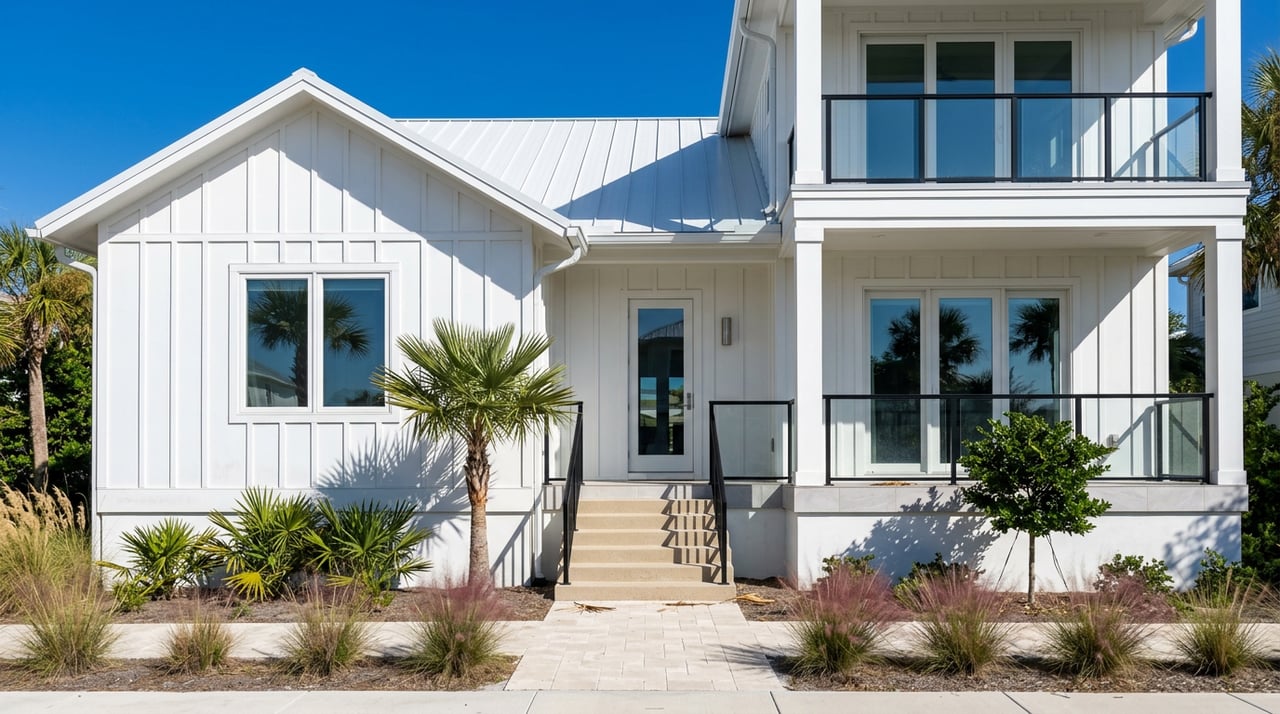
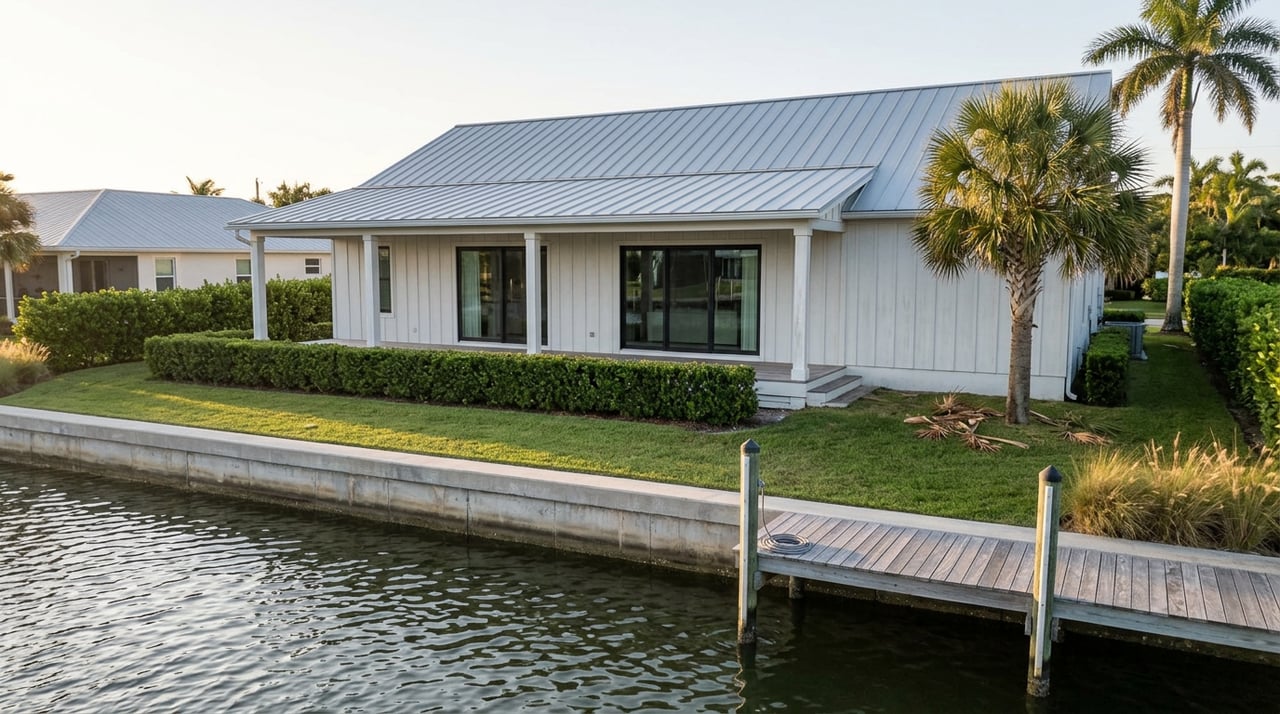
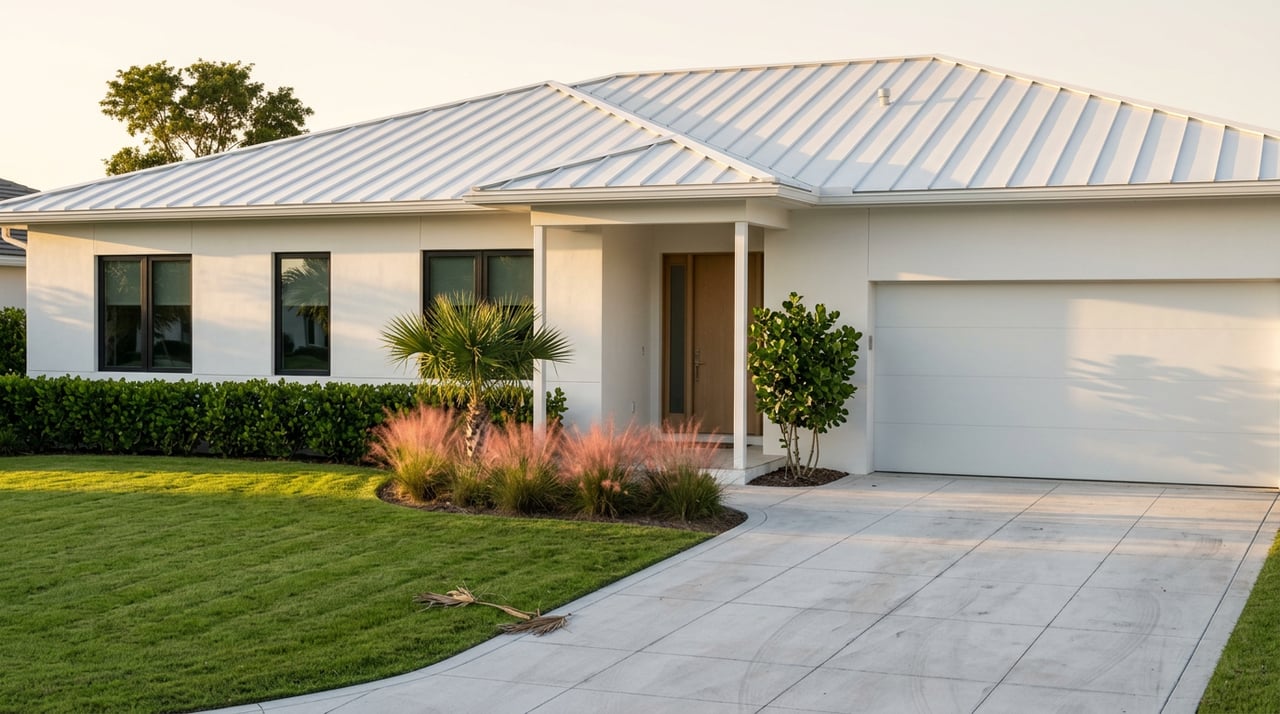
Typical coastal options include older Gulf‑front cottages, newer elevated homes on piles, and bayfront or canal properties with docks. These types carry different permitting and insurance implications, especially in VE versus AE flood zones. If you compare home styles, note how elevation and building features affect maintenance and premiums. You can see examples of these home types in this overview of new builds versus classic cottages on Anna Maria.
Short‑term renting is common on the island, but you should not assume any home can be rented nightly. Rules vary by city and by association. The City of Anna Maria runs an active vacation‑rental program with annual registration, inspections, and a responsible‑agent requirement. Read the city’s vacation‑rental ordinances and registration page to understand current forms, fees, and occupancy standards.
Local reporting shows the city enforces occupancy and noise rules, and it may cancel registrations for repeated violations. That is a key risk to factor into a rental plan. You can see an example of enforcement coverage in the Anna Maria Islander’s piece on tougher vacation‑rental regulations.
If the property is in an HOA or a condominium, confirm rental restrictions before you make an offer. Many associations set minimum stays or prohibit short‑term rentals altogether. For condos, review Florida’s Chapter 718 condominium statute along with the community’s bylaws and meeting minutes.
If you plan to rent, you are responsible for county tourist‑development tax in addition to state sales tax. The Manatee County Tax Collector explains how to register and remit on its tourist‑tax guidance page.
Visitor demand on Anna Maria Island peaks in winter. High season typically runs mid‑November through April, with spring break and holidays adding spikes. Summer and hurricane season often see lower occupancy and average daily rates. For a rental pro forma, model at least three seasonal tiers rather than using a single yearly average. For a quick primer on Florida’s timing, see this overview of the best times to visit Florida.
County tourist‑tax receipts trend higher in peak months, which you can use as a local demand signal. Manatee County’s tourist‑tax page posts guidance and links to monthly collections. Use these patterns to set conservative expectations for occupancy and rates.
Inventory is tight on the island and development stays low‑rise, which supports pricing power for gulf‑front and canal homes. That scarcity often makes long‑term resale value a meaningful part of your return, even if near‑term rentals are modest.
Owning near the water is different from owning inland. Plan ahead for the following line items so there are no surprises.
If you are flying in, Sarasota‑Bradenton International (SRQ) is the nearest major airport and Tampa International (TPA) is a common alternative with more nonstop options. Travel times will stretch on winter weekends and holidays, so plan buffer time when guests arrive or depart.
You now have a new option to skip driving onto the island. The Gulf Islands Ferry connects downtown Bradenton with Anna Maria Island on a published schedule. It is a useful way to ease parking pressure in busy periods. Check the current Gulf Islands Ferry schedule and details.
Once on the island, the free trolley operated by MCAT is popular with owners and guests. Parking is limited in high‑traffic areas like Bridge Street and Pine Avenue, so set clear arrival and parking instructions for visitors. You can review the route map and timing on the MCAT system map.
Focus on homes that are simpler to own. Newer elevated construction with impact windows and easy‑care exteriors can lower long‑term risk and help with insurance. Look for straightforward access for friends and family, and HOAs that allow limited guest stays. You may earn less rental income, but daily enjoyment and lower hassle often make up for it. For perspective on construction choices, see this short guide to new builds versus classic cottages.
Start with parcel‑level legality. Confirm the city allows short‑term rentals for that address, verify registration requirements, and make sure any HOA or condo rules permit your intended stays. Build a seasonal model with high, shoulder, and low periods. Include management, cleaning, utilities, and a storm reserve. Use conservative assumptions for summer and hurricane season.
Island cities actively manage vacation rentals, and rules or fees can change. The City of Anna Maria can levy fees by occupancy and revoke registrations for repeated violations. Build a contingency plan that could pivot to longer stays or personal use if local policy tightens. You can read an example ordinance history here: City of Anna Maria vacation‑rental ordinances.
Before you close on a second home, work this list.
When you are buying from out of the area, local expertise keeps your purchase smooth and your risks low. If you want help vetting flood zones, rental rules, and seasonal assumptions for a specific address, reach out to Jacquelyn Smith for buyer representation and practical rental or management support. Schedule a Free Consultation and start your second‑home plan with confidence.
Stay up to date on the latest real estate trends.
If you know anyone looking in the Southwest Florida area please keep me in mind. I know all the area's well and have helped many people buy homes or sell their home.