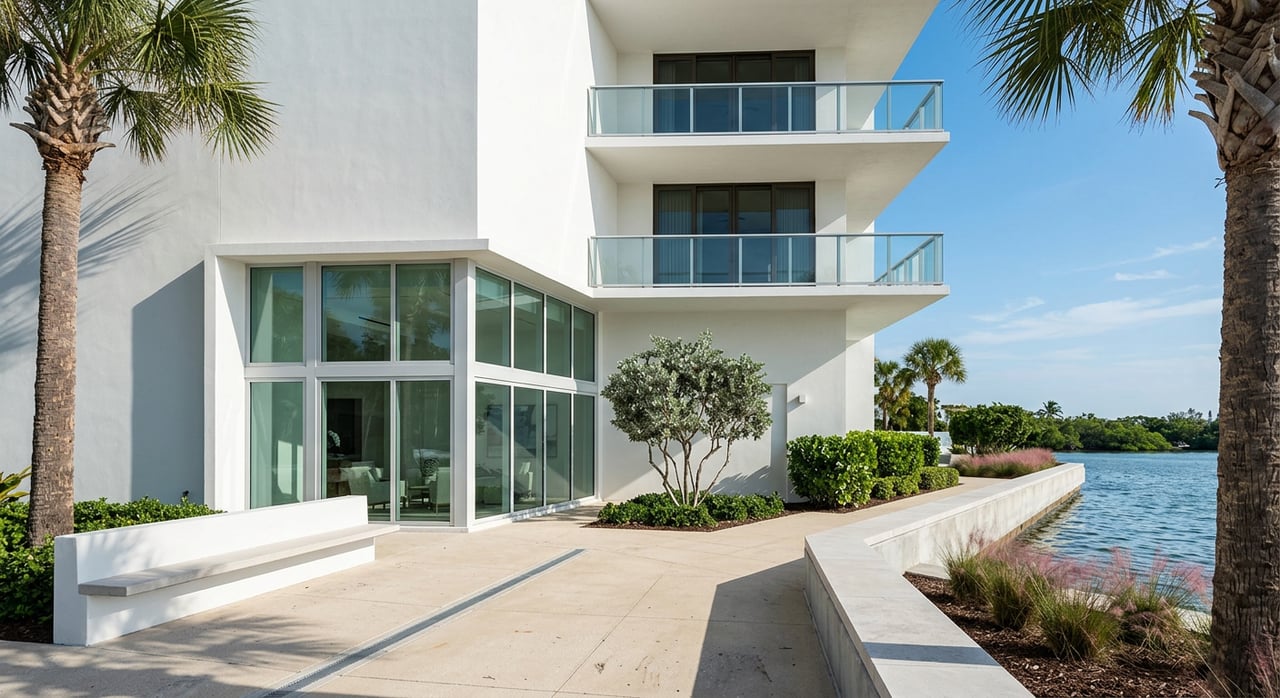
Condo Or Single-Family? Choosing A Sarasota Home Style
March 5, 2026
March 5, 2026
Trying to choose between a Sarasota condo and a single-family home? You are not alone. Each option offers a distinct mix of cost, maintenance, lifestyle, and financing. In this guide, you will learn how these differences play out in Sarasota, where each home type clusters, and what to check before you write an offer. Let’s dive in.
Recent Sarasota market reports show a split between property types. Single-family sales and prices have been more resilient, while condo inventory and days on market have increased and median condo prices have softened. These trends can shape your negotiation power and financing options. You should also compare buildings for condos and neighborhoods for single-family homes, because citywide medians often hide big differences by location and property type. You can review the context in the latest Sarasota market reports.
Sarasota gives you two very different maps:
Always confirm whether a property sits in the City of Sarasota or unincorporated Sarasota County, since local building and flood rules can vary. You can start with the City of Sarasota website and your agent’s neighborhood-level guidance.
In a Florida condominium, the association typically maintains the exterior building envelope, roof, structural elements, common systems like elevators, grounds, and shared amenities. The Florida Condominium Act explains board duties, budgeting, records, and owner rights, which shape what you inherit as a buyer. See the Florida Condominium Act summary and governance provisions.
Associations also carry a master insurance policy for the building and common areas. Owners usually carry an HO-6 policy for interiors, personal property, liability, and loss assessment coverage. Florida law requires associations to maintain adequate property insurance based on a replacement-cost appraisal at least every 36 months. Review the statute on association insurance requirements and confirm the association’s “walls-out” or “walls-in” master policy scope to set your personal coverage correctly.
Condo convenience often means fewer day-to-day chores. The tradeoff is a monthly association fee and shared decisions about big projects, reserves, and rules.
In many Sarasota single-family neighborhoods, you maintain the roof, exterior, yard, driveway, and pool. If the community has an HOA, dues usually cover shared amenities like gates, private roads, landscaping of common areas, and clubhouses. Governance differs from condos, so you should read the HOA declaration and budget. For a plain-English overview, see the differences between homeowners and condominium associations.
A house gives you more control over timing and contractor choices. It can also mean higher one-time costs for items like roofs, driveways, or seawalls.
For either option, always check the current-year budget, the prior-year actuals, and any planned projects. Milestone inspections and reserve studies can lead to special assessments in certain condo buildings.
Both condos and single-family homes can qualify for Florida’s homestead exemption if the property is your primary residence. Property tax varies by parcel and taxing districts. Use the county tool to estimate your bill with the Sarasota County Property Appraiser’s tax estimator.
Flood insurance is separate from homeowners insurance for both condos and houses. Lenders usually require it in Special Flood Hazard Areas. Request the elevation certificate and recent flood quotes, and review FEMA tools like the flood map and notices.
Condo mortgages look at both the borrower and the building. Conventional loans follow agency rules for project eligibility. Buildings with deferred maintenance, litigation, or high investor shares may be non-warrantable, which can limit financing options or raise down payment needs. You can learn how lenders evaluate condo projects through Fannie Mae’s Project Eligibility Review Service.
Since 2021, many Florida condos have faced tighter underwriting and changing lender appetites. News coverage has even noted lender pullbacks in Florida condo lending. The key takeaway: have your agent and lender review the building’s questionnaire and financials early.
Detached homes often have simpler underwriting, since the focus is on the property and borrower instead of project-level health. That said, coastal houses in higher flood zones still face stricter insurance and lender requirements. You will want to review flood maps, insurance quotes, and any HOA rules that could affect your plans.
If you prefer lock-and-leave ease, walkability, and on-site amenities like pools, gyms, and front desk service, a condo can fit well. Common tradeoffs include shared walls, association rules for pets and rentals, and less private outdoor space. Always review pet policies, rental terms, and parking rules in the association documents.
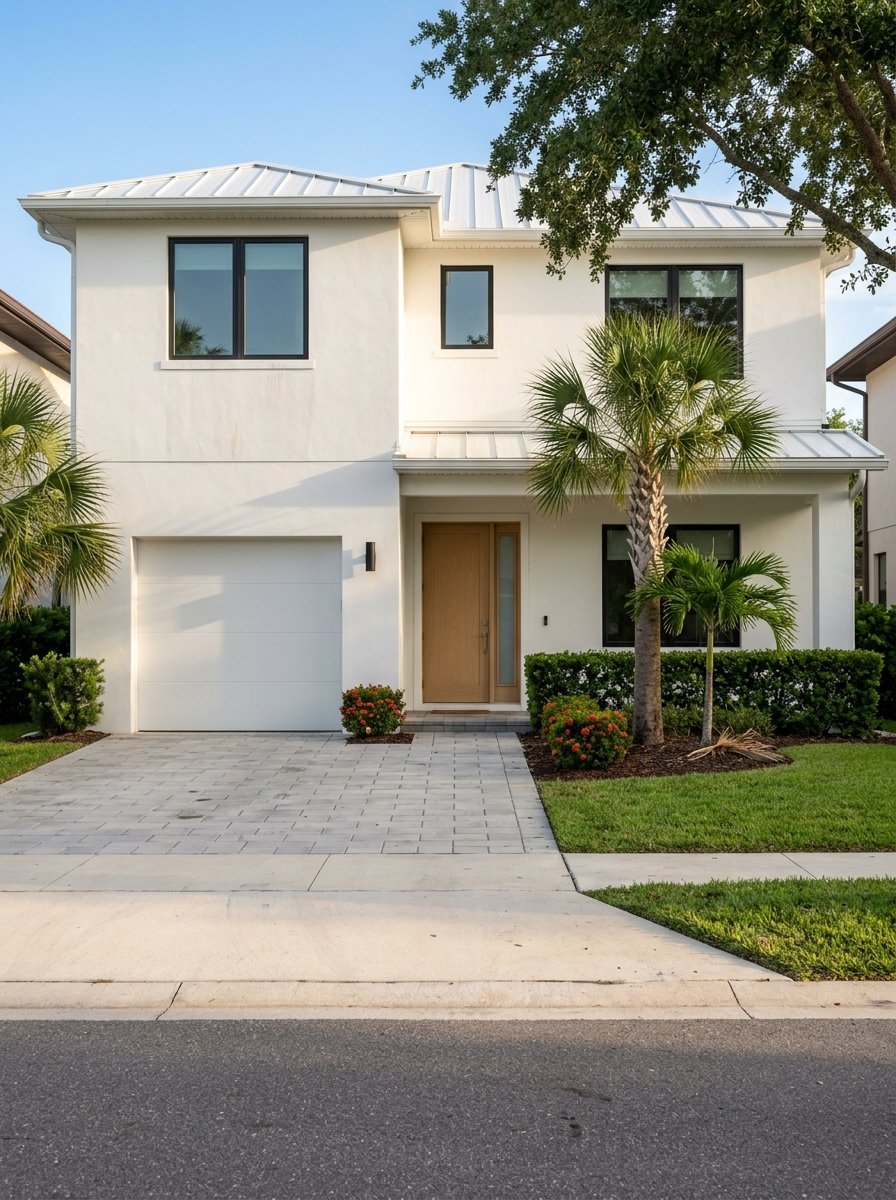
If you want a yard, garage, and more privacy, a house is often the better match. You also control exterior design choices within any HOA rules. The tradeoff is more upkeep and potentially larger one-time repair costs.
Ask yourself these practical questions:
Florida created a milestone inspection program and new reserve rules for many multi-story condo buildings after the Surfside collapse. Buildings that meet the height and age thresholds must complete structural inspections and maintain reserves for key components. Buyers should request the latest inspection and reserve study, and understand any planned projects or special assessments. The Division of Condominiums offers consumer guidance on milestone inspections and related disclosures. Governance and reserve requirements are detailed in the Condominium Act’s procedures.
Before you submit an offer, ask for:
If you want help weighing tradeoffs by neighborhood or building, a local, building-by-building and block-by-block comparison will give you the clearest picture.
Ready to find your Sarasota fit? Schedule a conversation with Jacquelyn Smith to compare options by building, neighborhood, insurance, and financing, and to plan the right path for your move.
Stay up to date on the latest real estate trends.
Lifestyle
Looking for Luxury Living?

If you know anyone looking in the Southwest Florida area please keep me in mind. I know all the area's well and have helped many people buy homes or sell their home.