Leave a Message

Thank you for your message. I will be in touch with you shortly.

Explore Properties

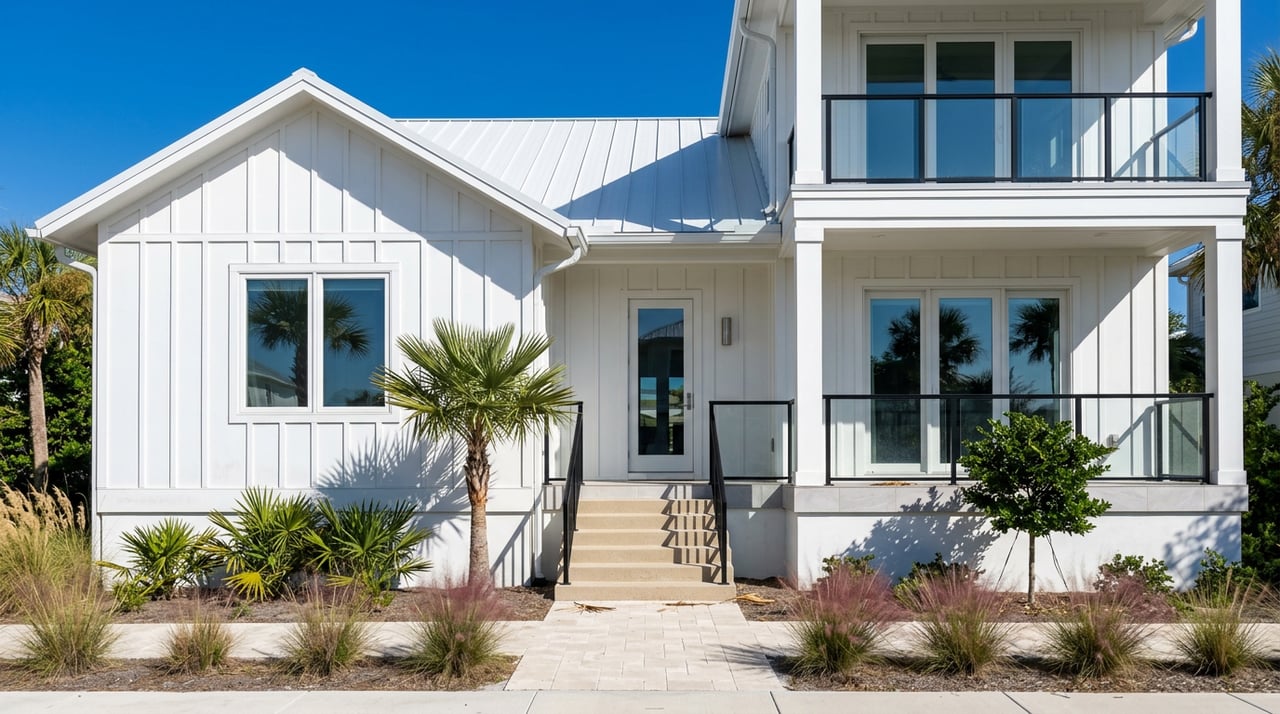
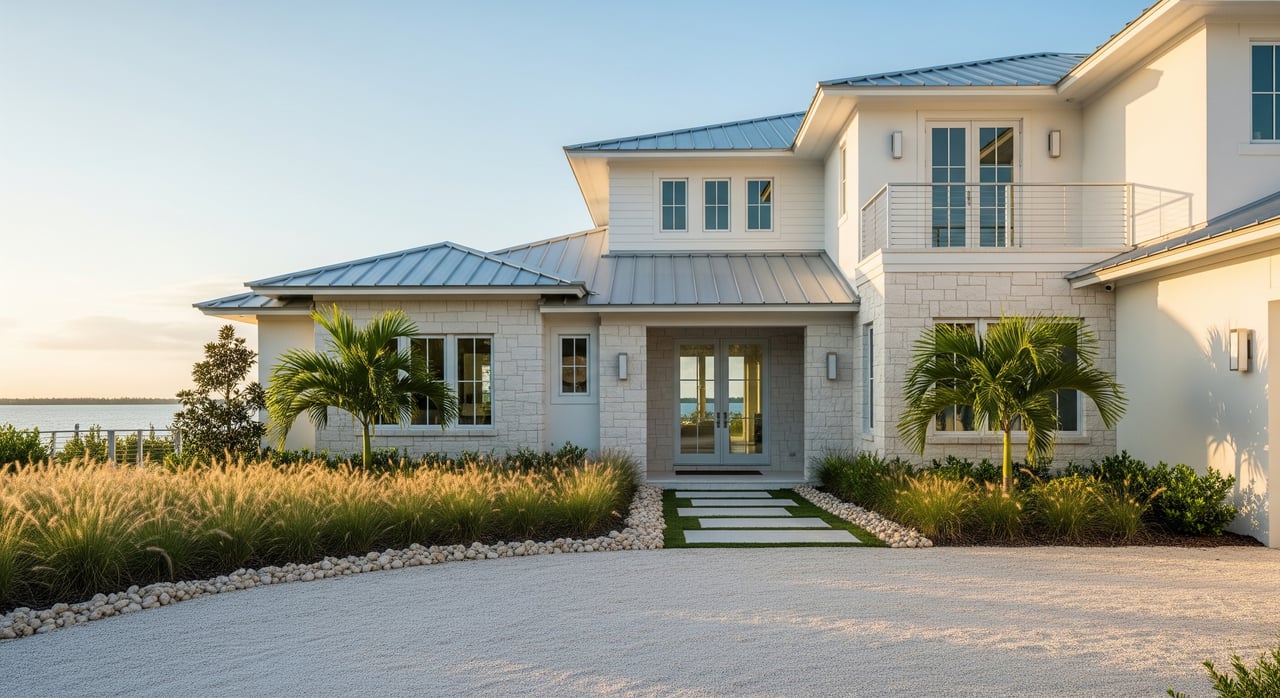
Curb Appeal That Withstands Salt Air in St. Petersburg

October 16, 2025

Salt air is tough on curb appeal. One season you love your color and plantings, the next you see faded paint, rust specks, and shrubs that look tired. If you live in St. Petersburg, you already know that sea breeze, sun, and storms can speed that decline. In this guide, you’ll learn which materials, plants, and maintenance routines actually stand up to salt so your home looks great longer. Let’s dive in.

Know your coastal exposure

Not all St. Petersburg addresses face the same salt load. Distance to open water, wind direction, and elevation all play a role. UF/IFAS coastal landscaping guidance suggests treating sites near open coastlines differently than inland blocks.

  • Waterfront and barrier-island lots: Expect frequent salt spray. Choose highly salt-tolerant plants and corrosion-resistant finishes everywhere.
  • Bays, tidal canals, and estuaries: Salt exposure is moderate but consistent. Use tolerant plants on the windward side and step down tolerance farther from the water.
  • Inland neighborhoods: Day-to-day exposure is lower, but storms can carry salt farther inland. Use a layered landscape plan and protect metals you can’t easily replace.

Salt-smart landscaping that shines

Choose salt-tolerant plants

Start with species that handle salt and wind. UF/IFAS offers practical lists of salt-tolerant plants:

  • Trees and large shrubs: sea grape, sabal palm, southern live oak, yaupon holly.
  • Medium shrubs and accents: cocoplum, firebush, hibiscus, lantana. Note that oleander is salt-tolerant but toxic.
  • Grasses and groundcovers: muhly grass, beach sunflower, sea oats, railroad vine.

Layer windbreaks and placement

Place the most salt-tolerant plants on the windward side to protect the house and interior beds. Use groups of hardy shrubs or low trees as a living windbreak. Provide fresh water during establishment, and mulch to hold moisture in sandy soils. You can explore the look of resilient plants at the Florida Botanical Gardens in Largo.

Materials that resist corrosion

Siding and trim

For exteriors, choose products that won’t rot or corrode. Fiber cement siding holds paint well and resists moisture. Cellular PVC and composite trim beat untreated wood in direct exposure. For metal elements, specify coatings designed for coastal use. Systems with PVDF or high-performance powder coats on aluminum perform well when installed and maintained correctly, as noted in this overview of marine-ready finishes for coastal homes.

Windows and doors

Impact-rated glazing protects during storm season and often improves energy performance. Look for frames built for coastal environments, such as aluminum with marine coatings or fiberglass. Choose door slabs that resist swelling and warping, and confirm that hinges and handles are rated for salt exposure.

Hardware that lasts

Fasteners and connectors are the small details that make a big difference. The Florida Building Code’s guidance on corrosion resistance highlights why coastal projects need upgraded materials. For exposed metals, specify 316 or 316L stainless steel, commonly called marine grade, which resists chloride pitting better than 304 according to marine-grade stainless guidance. Avoid mixed-metal contact that can trigger galvanic corrosion.

Maintenance that preserves value

Salt crystals speed up fading and rust, so a light, regular cleaning plan pays off.

  • Every 3 to 6 months: Do a gentle fresh-water rinse to remove salt from siding, railings, and windows. A quick rinse can push back on early coating breakdown, as noted by coastal maintenance pros in this guide to rinsing and soft washing in salt exposure.
  • Annually: Soft-wash the exterior, clean gutters, and inspect railings, fasteners, and HVAC housings. Treat small rust spots promptly to prevent spread.
  • Every 3 to 7 years: Plan for repainting or targeted touchups sooner than inland homes. Coastal painters often recommend high-quality exterior acrylics and predictable refresh cycles, as explained in this overview of repaint timelines in coastal Florida.
  • After major storms: Rinse plants and exterior surfaces, prune wind-burned growth, and look for fastener corrosion at roof penetrations.

Permits and trusted help in St. Pete

Most exterior changes, including siding, reroofing, windows, and fences, require permits from the City’s Construction Services and Permitting division. Verify licensing and ask how products meet Florida Building Code corrosion and wind standards. You can find a local permitting checklist through this overview of St. Petersburg and Pinellas permitting basics.

For landscaping questions, UF/IFAS extension resources and local demonstration gardens offer plant lists and site examples. The UF/IFAS coastal landscaping guide is a great starting point.

Quick wins for sellers and buyers

  • Immediate spruce-ups: Rinse railings and windows, refresh mulch, and replace failing plants with sea grape, cocoplum, or muhly grass for a fast boost.
  • Medium upgrades: Swap rusting railings for powder-coated aluminum, add a layered hedge on the windward side, and replace corroded house numbers and mailbox with 316 stainless.
  • High-impact projects: Consider fiber cement siding, impact-rated windows, or a coated metal roof. These upgrades cost more upfront but help curb appeal hold through salt, sun, and storm seasons.

Ready to position your home for a standout showing and stronger resale? For tailored recommendations on what to improve before you list or buy, connect with Jacquelyn Smith.

FAQs

How close to the water do I need salt-tolerant plants in St. Petersburg?

  • Within roughly one eighth of a mile of open water, choose salt-tolerant species and use layered windbreaks. During storms, salt can reach farther inland, so plan plantings accordingly.

What exterior metals should I specify for a coastal St. Petersburg home?

  • For exposed hardware and railings, ask for 316 or 316L stainless and fasteners that meet Florida Building Code corrosion tests. Avoid mixing dissimilar metals to limit galvanic corrosion.

How often should I wash my St. Petersburg home to remove salt?

  • Light rinses every 3 to 6 months help reduce buildup, with a deeper annual soft wash. Increase the frequency after major storms or if you are very close to open water.

Will powder-coated aluminum hold up near Tampa Bay salt air?

  • Yes, high-quality powder-coated or PVDF-coated aluminum performs well when the coating is marine-rated and chips are repaired quickly. Pair coatings with corrosion-resistant fasteners.

Do I need a permit to replace siding or a roof in St. Petersburg?

  • In most cases, yes. Exterior alterations typically require city permits. Verify contractor licensing and ask how materials meet Florida Building Code wind and corrosion standards.

Let's Get Started

If you know anyone looking in the Southwest Florida area please keep me in mind. I know all the area's well and have helped many people buy homes or sell their home.