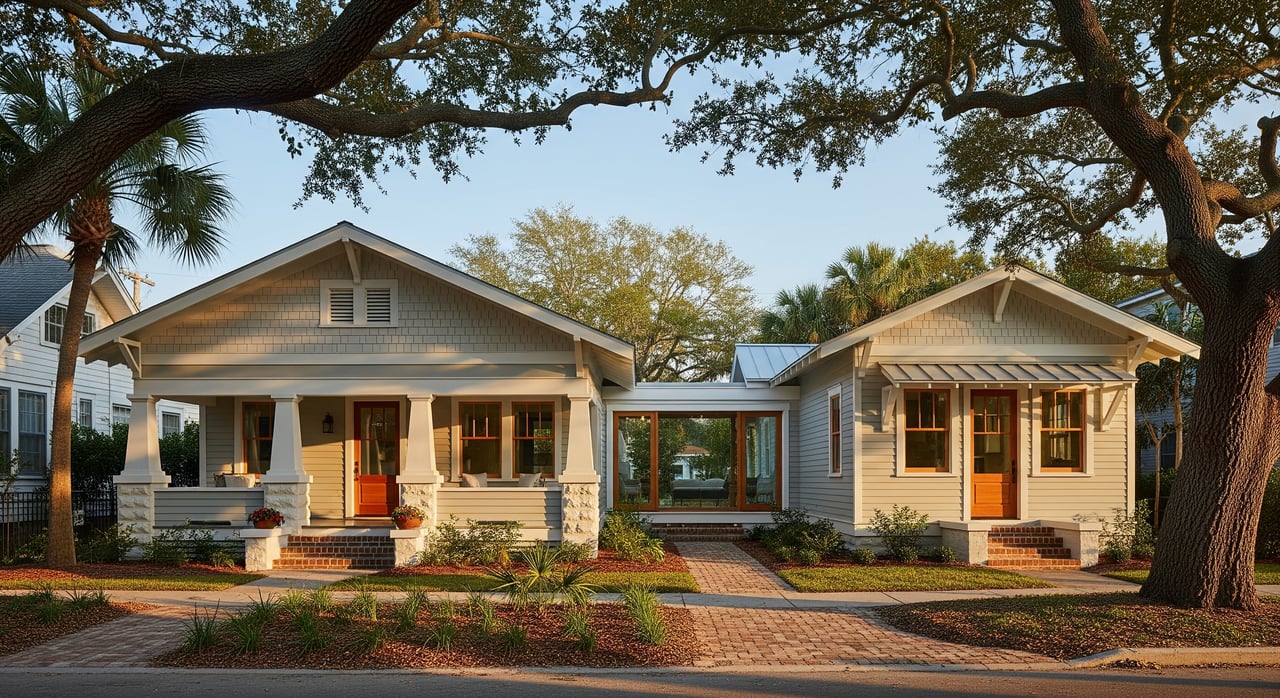
Designing ADUs That Fit St. Petersburg’s Historic Bungalows
November 6, 2025
November 6, 2025
If you love your St. Petersburg bungalow but wish you had more space or a steady rental, an accessory dwelling unit can be a smart, flexible answer. The key is making it fit your lot, meet city rules, and complement your home’s historic character. You also want privacy, good light, and a design that supports long-term value.
This guide walks you through local approvals, context-sensitive design for Craftsman and Mediterranean‑revival bungalows, flood and utility realities, and a clear step-by-step roadmap. You’ll leave with practical tips you can use with your designer and contractor. Let’s dive in.
Several agencies guide ADUs in St. Petersburg. The City’s planning and building departments handle zoning and permits. The Historic Preservation Office and Preservation Board review exterior design that is visible from the street, especially in districts like Historic Kenwood and Old Northeast. Statewide, the Florida Building Code governs construction and safety. FEMA flood maps and local floodplain rules set elevation requirements, and Pinellas County utilities can weigh in on water and sewer connections. Some neighborhoods have conservation district guidelines or HOA rules.
City numbers change over time, so verify current requirements before you design:
Always confirm up-to-date standards with City planning and building staff, and check historic district guidelines if your lot is within an overlay.
Old Northeast and Historic Kenwood have design oversight focused on massing, roof form, materials, window patterns, porches, and the ADU’s relationship to the street. The expectation is compatible, not copycat design. Even outside formal districts, preservation staff or civic groups may expect context-sensitive design.
Your ADU should read as secondary to the main house while looking like it belongs. Aim for complementary rooflines, materials, and details without cloning the original home.
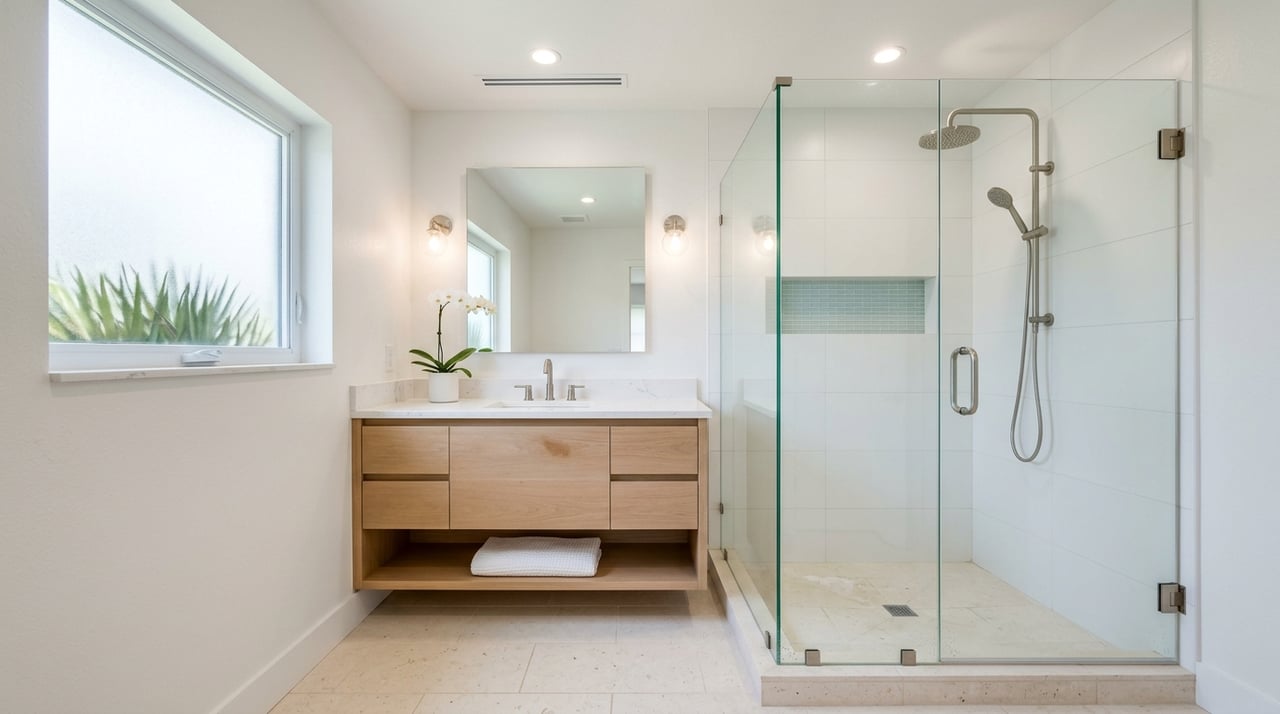
Offset windows so living areas do not face bedroom windows in the primary house. Use clerestory windows or frosted glass for bathrooms and areas where you want daylight without views. Consider higher sill heights on the sides facing the main home.
Place the ADU entry where circulation avoids passing bedroom windows. Use small porches or stoops to create a sense of arrival without drawing attention from the street. Orient patios toward side yards or a shared courtyard to reduce direct overlooking.
Layered hedges, small trees, and trellises can separate uses without resorting to tall fences. Vines on trellises or pergolas can filter views, add shade, and soften new construction.
Flood considerations are common in St. Petersburg. Check FEMA flood maps and local floodplain rules early. Raised slabs, crawlspaces, or piers may be required, which will influence steps, ramps, and how you detail the porch. Structural connections and wind resistance must meet the Florida Building Code.
Confirm whether the ADU can share existing water and sewer or needs separate meters. Older bungalows may need electrical service upgrades, especially if you want separate metering or plan for EV charging. Ductless mini-splits or small packaged HVAC systems are common for ADUs. If your property is on septic rather than municipal sewer, expansion or other changes may be required.
Ask planning staff if additional off-street parking is required or if waivers apply in walkable historic areas. If you add or widen a driveway, verify rules for curb cuts and widths in conservation districts. For carriage-house designs above a garage, consider internal stair placement and noise separation.
An ADU adds footprint. Account for stormwater with permeable paving, rain gardens, or other on-site infiltration. Keep grading consistent with neighborhood drainage and avoid sending runoff to neighboring lots.
ADUs must meet code for egress, bedroom sizes, smoke and CO detectors, fire separation, and ventilation. If you plan to rent, consider accessibility features like zero-step entries or a ground-floor layout to broaden appeal.
ADU conversions typically cost less per square foot than detached new construction. Financing can include cash, a home equity line, a renovation loan, or a construction loan. Income potential depends on the type of rental, location, and local rules. Verify current rental regulations and market rents before you rely on projections.
Short-term rental policies have evolved in St. Petersburg. If you plan to use your ADU for vacation rentals, confirm registration, licensing, taxation, and any limits that apply to your area or district. Rules in historic neighborhoods may differ from other zones. Clarify requirements before you design features tied to a specific rental model, like separate meters or keyed entries.
Lead with compatibility. Show how massing, rooflines, and materials fit the block. Share sightlines from the street and adjacent lots so privacy is clear. Address parking and stormwater up front. Samples and photomontages can help people visualize scale and finishes.
A well-sited, well-detailed ADU can strengthen livability and long-term value. Focus on quiet comfort, natural light, and timeless finishes that echo your bungalow’s style. Inside, durable materials and simple trim work well in small spaces. Outside, keep the landscape layered and low-maintenance.
If you are weighing how an ADU might affect resale or your next move, a short planning conversation can help you run scenarios before you invest.
Ready to talk through resale impact, rental options, or how to time a sale or purchase around an ADU project? Schedule a Free Consultation with Unknown Company.
Stay up to date on the latest real estate trends.
Lifestyle
Looking for Luxury Living?
If you know anyone looking in the Southwest Florida area please keep me in mind. I know all the area's well and have helped many people buy homes or sell their home.